History of Owerri From Ancient Roots to Modern City
Owerri is a historic city in southeastern Nigeria with deep cultural and social roots. As the capital of Imo State, it has grown from a group of ancient Igbo settlements into a modern urban center known for education, commerce, and hospitality. The history of Owerri reflects the strength, unity, and resilience of its people.
From early migration and traditional governance to colonial rule, the Nigerian Civil War, and post war development, Owerri has experienced major transformations. Each period shaped the city’s identity and values.
This article explores the rich history of Owerri, highlighting its origins, culture, challenges, and growth into one of the most important cities in Igboland.
Ideology / Belief: Traditional Igbo communal system
Religion: Christianity, Traditional African religion
Language(s): Igbo, English
Currency: Nigerian Naira (NGN)
Owerri is one of the most important cities in southeastern Nigeria. It is the capital of Imo State and a major center of Igbo culture, learning, and social life. Today, Owerri is known for its lively atmosphere, busy roads, hotels, schools, and markets. Many people also know it as a city of hospitality and enjoyment. However, behind this modern image lies a long and meaningful history that stretches back many centuries.
The history of Owerri is deeply connected to the traditions of the Igbo people. It tells a story of migration, settlement, cooperation, resistance, survival, and growth.
From its early beginnings as a group of small villages to its rise as a colonial administrative center and later a state capital, Owerri has gone through many changes. Each stage of its past has shaped the identity of the city and its people.
This article explores the history of Owerri in detail, from ancient times to the present day. It presents a clear and well organized account of how the city developed, how its people lived, and how major events influenced its growth.
Geographic Location and Early Environment
Owerri is located in the heart of Igboland in southeastern Nigeria. The land is mostly low lying and covered with fertile soil. Thick forests once surrounded the area, providing wood, food, and protection. Rivers and streams such as the Imo River played an important role in the survival of early settlers. These water sources supported fishing, farming, and transportation.
The climate of Owerri is tropical, with heavy rainfall and warm temperatures throughout the year. This weather made it suitable for agriculture. Early inhabitants were able to grow crops such as yam, cocoyam, cassava, maize, and vegetables. Palm trees were also abundant and later became a major source of palm oil and palm wine.
Because of its fertile land and natural resources, Owerri attracted settlers from nearby areas. Over time, small communities developed and expanded into organized villages.
Origin and Early Settlement of Owerri
The origin of Owerri is preserved mainly through oral tradition. According to these traditions, the ancestors of Owerri people migrated from older Igbo settlements in search of better land and peaceful living conditions. These migrations happened gradually and peacefully, not through conquest.
Owerri did not begin as one single town. Instead, it was made up of several autonomous villages, including Umuororonjo, Umuoyima, Amawom, Umuonyeche, and Umuodu. Each village traced its ancestry to a common forefather and maintained strong family ties.
These villages were closely linked through marriage, trade, and shared cultural practices. Over time, their boundaries became less rigid, and they began to see themselves as one people. This unity formed the foundation of what later became Owerri town.
Meaning and Development of the Name Owerri
The name Owerri is believed to have originated from an early leader or ancestor whose name was associated with the settlement. Some traditions connect the name to Owerre or Ekwema, a respected figure among the early settlers. Others describe the name as a symbol of unity and agreement among the founding villages.
What is clear is that the name Owerri came to represent a group of people living together peacefully, sharing land, customs, and responsibilities. As the population grew, the name was adopted to describe the entire area rather than a single family or village.
Traditional Political Organization
4
Before colonial rule, Owerri operated a traditional Igbo political system that emphasized equality and collective decision making. There were no kings or centralized rulers. Instead, authority was shared among elders, family heads, and titled men.
Each village had a council of elders known as Ndi Ichie. These elders were responsible for maintaining law and order, settling disputes, and making decisions on behalf of the community. Decisions were made through discussion and agreement, not by force.
The ofo staff symbolized truth, justice, and moral authority. Those who held it were expected to speak honestly and act fairly. Age grades also played an important role. Members of the same age group worked together on community projects, security, and social events.
This system encouraged cooperation, accountability, and respect for elders. It helped maintain peace within and between villages for many generations.
Religion and Spiritual Life in Ancient Owerri
Religion was deeply rooted in the daily life of the people of Owerri. They believed in a supreme creator known as Chukwu or Chineke. This supreme being was seen as the source of life and destiny.
Alongside the supreme god, the people believed in lesser deities that controlled specific aspects of nature and human life. These included gods of the land, water, fertility, and protection. Shrines and sacred spaces were dedicated to these deities.
Ancestors were highly respected and honored. It was believed that the spirits of the ancestors continued to watch over their families. Libations, prayers, and sacrifices were offered to seek guidance and protection.
Masquerades were an important part of spiritual and social life. They represented ancestral spirits and played roles in festivals, ceremonies, and enforcement of community laws.
Economy and Trade Before Colonial Contact
4
The economy of pre colonial Owerri was based mainly on agriculture, trade, and craftsmanship. Farming was the primary occupation. Families owned farmland and worked together during planting and harvest seasons.
Markets were central to economic life. They operated on specific days according to the Igbo four day week. Goods such as yams, palm oil, vegetables, fish, kolanuts, pottery, and woven items were traded.
Owerri traders exchanged goods with neighboring communities and distant towns. Palm oil later became especially important during the nineteenth century when European demand increased.
Women played a major role in trade. Many women controlled market activities and became successful traders. This tradition of strong female participation in commerce remains a defining feature of Owerri society.
Contact with Europeans and Missionary Activities
European contact with Owerri began in the late nineteenth century. British traders were the first to arrive, followed by Christian missionaries. They were attracted by palm oil trade and the strategic location of the area.
Missionaries introduced Christianity and Western education. Churches and mission schools were established. Many families sent their children to these schools to learn reading, writing, and arithmetic.
While some people fully accepted Christianity, others combined it with traditional beliefs. Over time, Christianity spread widely and became an important part of life in Owerri.
Colonial Administration and Its Effects
British colonial rule brought major changes to Owerri. The colonial government introduced a new administrative system that often ignored traditional Igbo governance. Warrant chiefs were appointed to rule over communities.
This system caused problems because it placed power in the hands of individuals who were not always respected by the people. Corruption and abuse of authority became common.
One of the most important responses to colonial rule was the Women’s War of 1929. Women from Owerri and surrounding areas protested against unfair taxation and administrative policies. Their actions forced the colonial government to review its methods.
Colonial rule also introduced roads, courts, and hospitals. While these developments improved infrastructure, they also weakened traditional systems and values.
Education and Social Change
Education transformed Owerri society. Mission schools produced a new generation of educated men and women who later became teachers, civil servants, and professionals.
Literacy opened doors to employment and leadership positions. Education also encouraged social mobility and exposure to new ideas. Over time, Owerri gained a reputation for valuing learning and progress.
Christian churches became centers of social life. They organized schools, health services, and community programs.
Owerri in the Post Independence Era
Nigeria gained independence in 1960, and Owerri became part of the Eastern Region. The city continued to grow as an administrative and commercial center.
Educated elites from Owerri participated actively in politics and public service. The city expanded in population and infrastructure.
The Nigerian Civil War and Its Impact
The Nigerian Civil War between 1967 and 1970 had a devastating effect on Owerri. The city became a major battleground during the conflict.
Many buildings were destroyed, and thousands of people were displaced. Economic activities came to a halt, and food shortages were common.
Despite the suffering, the people of Owerri showed resilience. After the war ended, communities worked together to rebuild homes and livelihoods.
Creation of Imo State and Modern Development
In 1976, Imo State was created, and Owerri was chosen as its capital. This decision marked a turning point in the city’s history.
Government offices, schools, hospitals, and industries were established. The city expanded rapidly, attracting people from different parts of Nigeria.
Institutions such as the Federal University of Technology Owerri contributed to education, research, and innovation, strengthening Owerri’s reputation as a center of learning.
Culture and Traditions in Contemporary Owerri
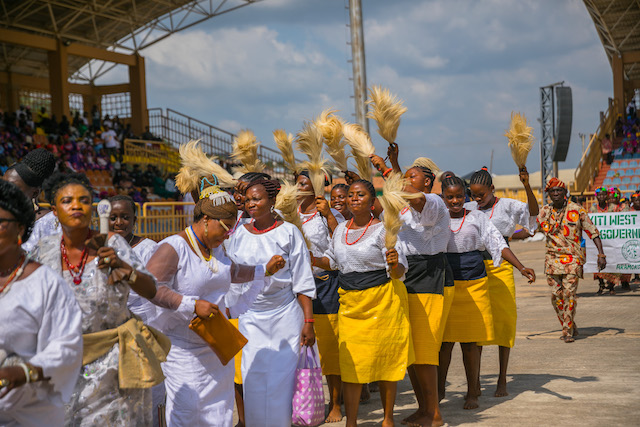
Owerri has managed to preserve its cultural heritage despite modernization. Festivals such as the New Yam Festival celebrate agricultural success and gratitude.
Traditional music, dance, and masquerades remain important. Marriage ceremonies, funerals, and naming rituals continue to follow Igbo customs.
Respect for elders, strong family bonds, and communal support remain core values of Owerri society.
Economy and Lifestyle in Present Day Owerri
Modern Owerri has a diverse economy. Civil service, education, trade, hospitality, and entertainment provide employment.
Markets like Eke Ukwu Owerri continue to serve as major commercial centers. The city is also known for its hotels, restaurants, and nightlife.
Owerri has become a meeting point for culture, business, and leisure.
Conclusion
The history of Owerri is a story of growth, resilience, and identity. From its early days as a group of farming villages to its role as a colonial center, war zone, and modern state capital, Owerri has experienced many transformations.
Through every stage, the people of Owerri have remained strong and united. Their respect for tradition, openness to change, and commitment to community have shaped the city into what it is today.
Owerri is more than just a capital city. It is a living expression of Igbo heritage, courage, and progress, passed down from generation to generation.
Multimedia Gallery
History Of Owerri From Ancient Roots To Modern City
History Of Owerri From Ancient Roots To Modern City

History of Owerri From Ancient Roots to Modern City
Owerri is a historic city in southeastern Nigeria with deep cultural and social roots. As the capital of Imo State, it has grown from a group of ancient Igbo settlements into a modern urban center known for education, commerce, and hospitality. The history of Owerri reflects the strength, unity, and resilience of its people.
From early migration and traditional governance to colonial rule, the Nigerian Civil War, and post war development, Owerri has experienced major transformations. Each period shaped the city’s identity and values.
This article explores the rich history of Owerri, highlighting its origins, culture, challenges, and growth into one of the most important cities in Igboland.
Timeline & Dates
Core Information
Multimedia Gallery
History Of Owerri From Ancient Roots To Modern City
History Of Owerri From Ancient Roots To Modern City
Related Events
History of Civil Defence in Nigeria: From Colonial Emergency Response to a Modern National Security Force
History of Ekiti State
History of Kano State
Story of the Idanre Hills
Complete History of Nigeria Immigration Service and Its Role in Nigeria Today
About the Author
Muili Muhammed
No bio available.
Comments