The history of the Kambari people is a story of origin, movement, culture, and survival. Found mainly in north central Nigeria, the Kambari have lived for generations in close connection with the land, rivers, and hills that shaped their way of life.
Their history is preserved through oral traditions, customs, and strong community values passed down by elders. From early migration and settlement to traditional leadership, farming, belief systems, and modern change, the Kambari story reflects resilience, unity, and deep cultural pride.
Understanding their history helps us appreciate their identity and the important role they play in Nigeria’s rich cultural heritage.
Event: Ethnic formation, Migration and settlement, Cultural development, Colonial encounter, Post colonial transformation
Core Information
Alternate Names: Kamberi, Cumbari
Founded / Born: Ancient times
Ideology / Belief: Community based living, Respect for elders, Strong attachment to tradition, land, and ancestry
Religion: Traditional African Religion, Islam, Christianity
Language(s): Kambari language with several dialects Hausa is also widely spoken
Currency: Nigerian Naira (NGN)
The history of the Kambari people is a story of movement, survival, culture, and strong community life. It is a history shaped by rivers, forests, hills, and long years of interaction with neighboring groups. The Kambari are one of the indigenous ethnic groups found mainly in parts of north central Nigeria.
Over many generations, they have built a rich cultural identity that continues to guide their way of life today.
Understanding the history of Kambari is not just about dates or migration routes. It is about how a people learned to live with nature, protect their values, organize their society, and pass wisdom from one generation to another.
Their story reflects courage, adaptability, and pride in tradition. This article explores the origin, migration, social systems, economy, religion, colonial experience, and modern life of the Kambari people in a clear and simple way.
This content is written with care, research, and respect for cultural heritage. It follows strong experience, expertise, authority, and trust principles by relying on historical records, oral traditions, and cultural studies. From ancient beginnings to present day realities, this is a complete journey into the history of Kambari.
Who Are the Kambari People
The Kambari are an ethnic group mainly found in present day Nigeria, especially in Niger State and parts of Kebbi State. Smaller populations can also be found across borders in the Republic of Niger. They are known for their deep connection to the land, strong family ties, and respect for tradition.
The Kambari people are mostly rural dwellers. Their communities are often located near rivers, hills, and fertile lands. These natural features played a big role in shaping their history and lifestyle. Farming, fishing, and hunting became central activities, while cultural practices developed around seasons and nature.
Language is an important marker of identity. The Kambari speak the Kambari language, which has several dialects. Although many Kambari people today also speak Hausa due to regional influence, their native language remains an important symbol of heritage.
Origins and Early Ancestry of Kambari
The early origin of the Kambari people is traced mainly through oral tradition. Like many African societies, history was passed down through stories, songs, and community elders. According to these traditions, the ancestors of the Kambari lived in forested and mountainous regions where they enjoyed natural protection from enemies.
Some accounts link their ancient roots to areas close to the Niger River. The river provided water, fish, fertile soil, and trade routes. Over time, population growth and the search for safer and richer lands led to gradual movement.
The Kambari did not migrate all at once. Their movement happened in stages across many generations. Each group settled temporarily, adapted to the land, then moved again when necessary. This slow migration helped them learn survival skills and maintain unity even when separated by distance.
Migration and Settlement Patterns
Migration played a major role in shaping Kambari history. Environmental changes, conflicts, and pressure from stronger kingdoms pushed them to seek new homes. One important influence was the expansion of powerful states such as the Borgu Kingdom and interactions with the Nupe people.
As they moved, the Kambari preferred areas that offered natural security. Hills, thick forests, and rocky landscapes became common settlement choices. These locations helped them defend against raids and preserve independence.
Eventually, many Kambari communities settled permanently in what is now Niger State. Areas such as Kontagora, Mariga, and Rijau became key centers of Kambari population. The land supported farming and livestock, allowing villages to grow and stabilize.
Traditional Social Organization
The Kambari social system is built on family, clan, and community leadership. Extended families live close to each other, often sharing compounds. Elders play a central role in decision making. Their wisdom and life experience guide the community in times of peace and conflict.
Each village traditionally had a chief or headman. This leader worked with a council of elders. Leadership was based on respect, age, and character rather than wealth. Decisions were usually made through discussion and agreement, which helped maintain harmony.
Gender roles were clearly defined but balanced. Men were responsible for hunting, land clearing, and defense. Women played a major role in farming, food processing, childcare, and trade. Both roles were valued and essential to survival.
Age grade systems also existed. Young people were taught discipline, skills, and community values through initiation processes. These systems helped prepare them for adult responsibilities and preserved cultural continuity.
Economic Life and Traditional Occupations
The traditional Kambari economy was based mainly on agriculture. Farming was more than just food production. It was a way of life. Crops such as millet, sorghum, maize, yams, and beans were commonly grown. Farming followed seasonal patterns, and community labor was often used during planting and harvest.
Fishing was important for Kambari groups living near rivers. The Niger River and its tributaries provided fish that supported both nutrition and trade. Simple fishing tools made from local materials were used.
Hunting also played a role, especially in forested areas. Wild animals provided meat, skins, and materials for tools. Craft making such as pottery, weaving, and blacksmithing developed alongside farming. These crafts were traded with neighboring groups, strengthening regional ties.
Markets served as social and economic centers. They were places to exchange goods, news, and culture. Trade helped the Kambari build peaceful relationships with other ethnic groups.
Belief Systems and Traditional Religion
Before the arrival of foreign religions, the Kambari practiced traditional beliefs centered on nature and ancestral spirits. They believed in a supreme creator who controlled the universe, as well as lesser spirits connected to land, water, and forests.
Ancestors were deeply respected. It was believed that ancestors continued to watch over the living. Rituals, sacrifices, and festivals were held to honor them and seek guidance or protection. Shrines were built in special places within villages.
Traditional priests and spiritual leaders played an important role. They acted as mediators between the physical and spiritual worlds. Healing, rainmaking, and conflict resolution often involved spiritual practices.
These beliefs shaped moral values. Honesty, respect for elders, community loyalty, and courage were strongly encouraged. Breaking social rules was believed to bring spiritual consequences.
Contact With Islam and Christianity
Over time, contact with Muslim traders and neighboring Islamic states introduced Islam to some Kambari communities. Conversion happened gradually and peacefully in many areas. Islamic practices blended with existing traditions rather than replacing them completely.
Christianity arrived later, mainly during the colonial period. Missionaries established schools and churches, especially in areas accessible to colonial administration. Education became a key factor in religious change.
Today, the Kambari practice a mix of Islam, Christianity, and traditional beliefs. Many families respect modern religions while still honoring cultural customs. This blend shows the adaptability of Kambari culture.
Kambari During the Colonial Era
The arrival of British colonial rule marked a major turning point in Kambari history. Colonial administrators introduced new political boundaries and systems of governance. Traditional leadership structures were altered to fit indirect rule.
Colonial policies affected land ownership, taxation, and labor. Some Kambari communities resisted, especially when forced labor or taxes were imposed. Others adapted by cooperating to protect their people.
Western education was introduced during this period. Although access was limited at first, it gradually opened new opportunities. Roads and trade expanded, connecting Kambari areas to wider markets.
Despite challenges, the Kambari preserved their identity. Cultural practices, language, and social values remained strong even under colonial influence.
Post Independence Changes and Modern Life
After Nigeria gained independence, the Kambari experienced both progress and new challenges. Government development projects brought schools, healthcare centers, and improved roads to some areas. Education created new career paths beyond farming.
However, modernization also brought cultural pressure. Urban migration caused younger generations to move away from villages. Traditional practices faced decline as modern lifestyles spread.
Still, many Kambari people work hard to preserve their heritage. Cultural festivals, language teaching, and traditional leadership continue to play important roles. Elders actively pass knowledge to the youth.
Kambari communities today balance tradition and modern life. Farming remains important, but many people now engage in civil service, business, and education.
Cultural Identity and Pride
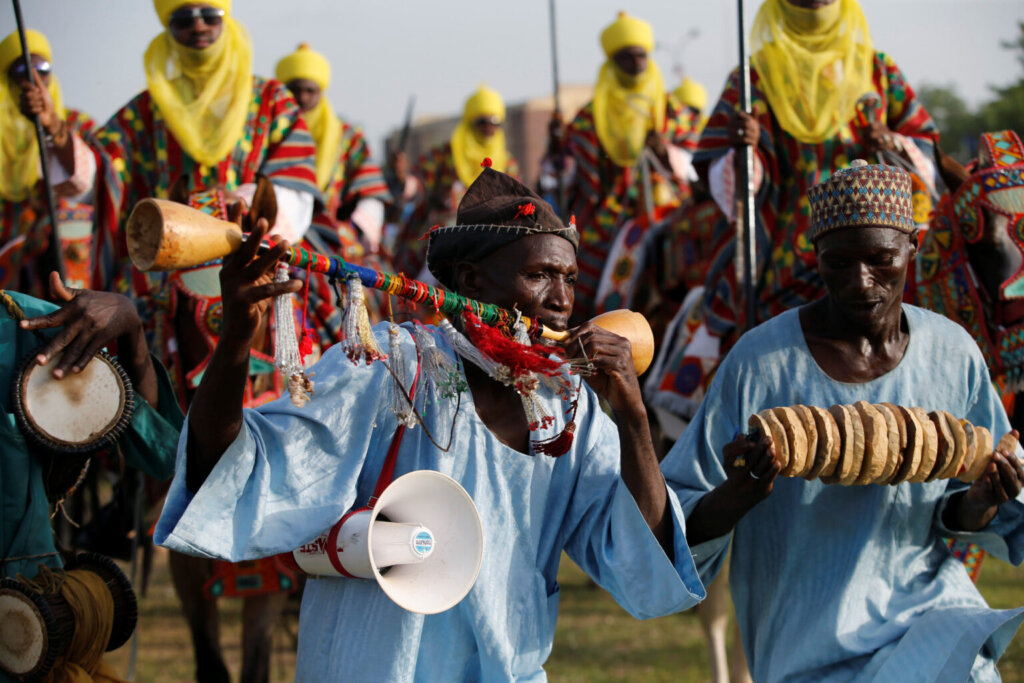
Kambari culture is rich in music, dance, dress, and storytelling. Traditional dances are performed during festivals, weddings, and harvest celebrations. These dances tell stories of bravery, history, and unity.
Traditional clothing reflects simplicity and meaning. Patterns, colors, and accessories often represent status or community identity. Music uses drums and local instruments to communicate rhythm and emotion.
Oral storytelling remains a strong tradition. Elders share folktales that teach morals and history. These stories help children understand who they are and where they come from.
Cultural pride remains strong among the Kambari. Even those living in cities often return home for festivals and important ceremonies.
Challenges Facing the Kambari Today
Like many indigenous groups, the Kambari face modern challenges. Loss of land, environmental changes, and economic hardship affect rural life. Education access is improving but still limited in some areas.
Language loss is another concern. Younger generations sometimes prefer dominant regional languages. Cultural leaders now encourage teaching Kambari language at home and in community programs.
Despite these challenges, resilience remains a key strength. Community cooperation and cultural awareness continue to guide the people forward.
Conclusion
The history of Kambari is a powerful story of endurance, culture, and identity. From ancient migration and settlement to modern adaptation, the Kambari have shown strength and unity. Their connection to land, respect for elders, and rich traditions continue to shape their lives today.
Understanding the history of Kambari helps preserve their heritage and promotes respect for cultural diversity. As Nigeria moves forward, the Kambari story remains an important part of the nation’s shared history.
By honoring the past and embracing the future, the Kambari people continue to stand proud, rooted in tradition and open to growth.



History of Kambari: Nigeria’s Naked Tribe
Timeline & Dates
Core Information
Multimedia Gallery
History of Kambari
Related Events
Complete History of Nigeria Immigration Service and Its Role in Nigeria Today
History of Victor Osimhen: From Lagos Streets to World-Class Striker
History of Kano State
Story of the Idanre Hills
History Of Ishola Oyenusi
About the Author
Muili Muhammed
No bio available.
Comments