The history of Ekiti State is deeply connected to the traditions and culture of the Yoruba people in southwestern Nigeria.
The Ekiti people historically lived in many independent towns and kingdoms such as Ado‑Ekiti, Ikere, Ijero, and Oye. These communities were known for strong traditional leadership, farming activities, and respect for education and culture.
During the 19th century, the Ekiti region was involved in several Yoruba inter-kingdom conflicts, including the Ekiti‑Parapo War. The war eventually ended with the Kiriji War Peace Treaty, bringing relative stability to the region.
In the colonial period, the area became part of the British administration in southern Nigeria. After Nigeria gained independence in 1960, Ekiti remained within the old Western Region and later Ondo State. On 1 October 1996, the Nigerian government under Sani Abacha created Ekiti State, with Ado-Ekiti as its capital.
Today, Ekiti State is known for its strong cultural heritage, high value for education, and peaceful communities. It is often called the “Land of Honour and Integrity” because of the values and traditions of its people.
Event: State Creation, Political History, Cultural History
Core Information
Alternate Names: Ekiti, Land of Honour and Integrity
Founded / Born: 1996-10-01
Dissolved / Died: Ongoing
Headquarters / Capital: Ado‑Ekiti
Ideology / Belief: Democracy, Traditional Yoruba governance (historically)
Religion: Christianity, Islam, Traditional African religion
Language(s): Yoruba (Ekiti dialect), English
Currency: Naira
Ekiti State sits in the southwestern part of Nigeria. It is known as the “Land of Honour and Integrity” and the “Fountain of Knowledge” because of its hilly landscape and strong focus on education. The state draws its name from the Ekiti people, a major Yoruba subgroup.
They have lived in this area for centuries. Ekiti State was created on October 1, 1996, from part of Ondo State. Its capital is Ado-Ekiti.
The history of Ekiti State shows a long journey from ancient Yoruba settlements to modern statehood. It highlights migration, resistance to outside control, fights for freedom, and steady progress.
This story helps explain why Ekiti remains proud of its culture, learning, and people today.
Ancient Settlements and Aboriginal Roots
People lived in what is now Ekiti long before big kingdoms formed. Archaeological signs and oral stories point to early groups in the area as far back as thousands of years. These aboriginal settlers farmed the land and built small communities among the hills.
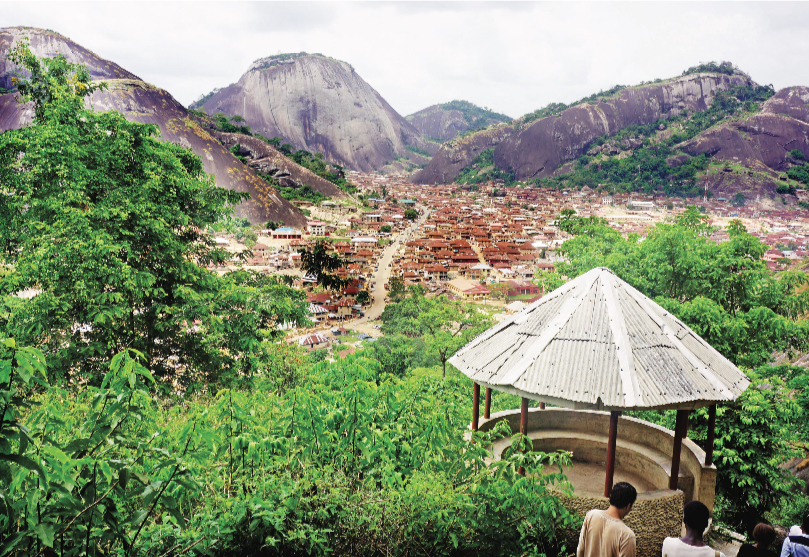
The rugged terrain, full of rocks and mountains, gave the name “Ekiti,” which comes from the Yoruba word “okiti,” meaning hill.
These early people lived in scattered farm settlements until around the 8th century or earlier. They had their own ways of life, including basic governance through elders and local leaders. The hilly land helped protect them and shaped their independent spirit from the start.
Migration from Ile-Ife and Oduduwa’s Influence
Yoruba oral traditions say the ancestors of the Ekiti people came from Ile-Ife, the spiritual home of the Yoruba. Oduduwa, seen as the father of the Yoruba race, played a key role in this story. His sons and grandsons left Ile-Ife to found new settlements.
One version tells of the Olofin, a son of Oduduwa, who had 16 children. They journeyed out to find new lands. These migrants mixed with the people already living in Ekiti. They brought ideas about kingship, including the beaded crown.
This blending created stronger communities. By the 11th century, monarchies started to take shape in places like Ado, Ikere, and others. The migrants added to local customs and helped build organized kingdoms.
Rise of Ekiti Kingdoms and Traditional Rulers
Over time, many kingdoms grew in Ekiti land. Each had its own Oba, or king. Important ones include the Ewi of Ado-Ekiti, the Alawe of Ilawe, the Ogoga of Ikere, and the Elekole of Ikole. These rulers governed with councils of chiefs. The system balanced power between the king and his people.
Towns like Ado-Ekiti trace their founders to princes from Ile-Ife. For example, the Ewi lineage links back to early migrants who conquered or settled areas.
These kingdoms stayed mostly independent. They traded farm goods like yams, cocoa, and palm produce. The hilly area made defense easier against outsiders. This period built a shared Ekiti identity through language, customs, and respect for education.
The Ekiti Parapo and the Kiriji War
In the 19th century, Ekiti faced big threats from Ibadan, a powerful Yoruba city-state. Ibadan tried to control Ekiti towns and collect tribute.
The Ekiti people united to fight back. In 1877, they formed the Ekiti Parapo, meaning “Ekiti United.” Led by Fabunmi Okemesi from Okemesi-Ekiti, they joined with Ijesa and others. The Kiriji War, also called the Ekiti Parapo War, lasted from 1877 to 1893.
It was one of the longest Yoruba wars. Battles were fierce, with guns imported through trade. The war ended in a stalemate brokered by the British in 1893. This unity showed the brave spirit of the Ekiti people. It also opened the door for British involvement in the area.
British Conquest and Colonial Rule
After the Kiriji War, the British moved in. They signed treaties and used their role as peacemakers to gain control. By the late 1890s, Ekiti came under British influence. In 1914, it became part of the Colony and Protectorate of Nigeria. The British used indirect rule here.
They kept the Obas in place but made them follow colonial orders. The rulers collected taxes and kept local order. This system fit because Ekiti already had strong traditional leaders. Missionaries brought Christianity and schools.
Western education grew fast. Many Ekiti people became teachers, clerks, and professionals. The colonial period changed daily life but kept much of the cultural structure.
Post-Independence Changes and Regional Politics
Nigeria gained independence in 1960. Ekiti was part of the Western Region. In 1967, states replaced regions, and the area joined the Western State. In 1976, Ondo State was created, and Ekiti became part of it as the Ekiti Zone.
People in Ekiti felt they needed their own state for better development. They wanted more focus on roads, schools, and jobs. Agitations grew through the years.
Groups pushed for separation from Ondo. This push was part of larger calls for new states across Nigeria.
Creation of Ekiti State in 1996
On October 1, 1996, General Sani Abacha’s military government created Ekiti State. It came from the northern part of Ondo State.
The new state started with 16 local government areas. Ado-Ekiti became the capital. Mohammed Bawa was the first military administrator.
The creation fulfilled a long dream. Many Ekiti sons and daughters had fought for it through letters, protests, and talks. The state began with high hopes for progress in agriculture, education, and infrastructure.
Early Civilian Governors and Development
In 1999, Nigeria returned to democracy. Otunba Niyi Adebayo became the first elected governor under the Alliance for Democracy. He served from 1999 to 2003. He focused on roads and schools. Ayo Fayose took over in 2003 under the Peoples Democratic Party.
His time saw more building but also controversies. Later governors included Segun Oni and Kayode Fayemi. They worked on water supply, health, and youth jobs. Each leader added to the state’s growth despite challenges like limited funds.
Culture, Education, and Economy Today
Ekiti people value learning highly. The state has many schools and the Ekiti State University in Ado-Ekiti. Culture stays strong with festivals, traditional music, and respect for Obas. Farming is key, with crops like cocoa, yam, and cassava.
Tourism spots include Ikogosi Warm Springs and Arinta Waterfalls. The hilly land supports natural beauty. Christianity is the main religion, with some Muslims and traditional believers. The people keep their greeting “Okun” and pride in hard work.
Conclusion
The history of Ekiti State covers deep roots in Yoruba migration, brave fights like the Kiriji War, colonial changes, and the joy of becoming a state in 1996. From ancient hills to modern times, Ekiti has shown resilience and love for knowledge.
The creation of the state gave its people control over their future. Today, Ekiti stands as a place of honor, education, and cultural strength in Nigeria. Its story reminds us how unity and determination shape progress over centuries.


History of Ekiti State
The history of Ekiti State is deeply connected to the traditions and culture of the Yoruba people in southwestern Nigeria.
The Ekiti people historically lived in many independent towns and kingdoms such as Ado‑Ekiti, Ikere, Ijero, and Oye. These communities were known for strong traditional leadership, farming activities, and respect for education and culture.
During the 19th century, the Ekiti region was involved in several Yoruba inter-kingdom conflicts, including the Ekiti‑Parapo War. The war eventually ended with the Kiriji War Peace Treaty, bringing relative stability to the region.
In the colonial period, the area became part of the British administration in southern Nigeria. After Nigeria gained independence in 1960, Ekiti remained within the old Western Region and later Ondo State. On 1 October 1996, the Nigerian government under Sani Abacha created Ekiti State, with Ado-Ekiti as its capital.
Today, Ekiti State is known for its strong cultural heritage, high value for education, and peaceful communities. It is often called the “Land of Honour and Integrity” because of the values and traditions of its people.
Timeline & Dates
Core Information
Ekiti State sits in the southwestern part of Nigeria. It is known as the “Land of Honour and Integrity” and the “Fountain of Knowledge” because of its hilly landscape and strong focus on education. The state draws its name from the Ekiti people, a major Yoruba subgroup.
They have lived in this area for centuries. Ekiti State was created on October 1, 1996, from part of Ondo State. Its capital is Ado-Ekiti.
The history of Ekiti State shows a long journey from ancient Yoruba settlements to modern statehood. It highlights migration, resistance to outside control, fights for freedom, and steady progress.
This story helps explain why Ekiti remains proud of its culture, learning, and people today.
Ancient Settlements and Aboriginal Roots
People lived in what is now Ekiti long before big kingdoms formed. Archaeological signs and oral stories point to early groups in the area as far back as thousands of years. These aboriginal settlers farmed the land and built small communities among the hills.
The rugged terrain, full of rocks and mountains, gave the name “Ekiti,” which comes from the Yoruba word “okiti,” meaning hill.
These early people lived in scattered farm settlements until around the 8th century or earlier. They had their own ways of life, including basic governance through elders and local leaders. The hilly land helped protect them and shaped their independent spirit from the start.
Migration from Ile-Ife and Oduduwa’s Influence
Yoruba oral traditions say the ancestors of the Ekiti people came from Ile-Ife, the spiritual home of the Yoruba. Oduduwa, seen as the father of the Yoruba race, played a key role in this story. His sons and grandsons left Ile-Ife to found new settlements.
One version tells of the Olofin, a son of Oduduwa, who had 16 children. They journeyed out to find new lands. These migrants mixed with the people already living in Ekiti. They brought ideas about kingship, including the beaded crown.
This blending created stronger communities. By the 11th century, monarchies started to take shape in places like Ado, Ikere, and others. The migrants added to local customs and helped build organized kingdoms.
Rise of Ekiti Kingdoms and Traditional Rulers
Over time, many kingdoms grew in Ekiti land. Each had its own Oba, or king. Important ones include the Ewi of Ado-Ekiti, the Alawe of Ilawe, the Ogoga of Ikere, and the Elekole of Ikole. These rulers governed with councils of chiefs. The system balanced power between the king and his people.
Towns like Ado-Ekiti trace their founders to princes from Ile-Ife. For example, the Ewi lineage links back to early migrants who conquered or settled areas.
These kingdoms stayed mostly independent. They traded farm goods like yams, cocoa, and palm produce. The hilly area made defense easier against outsiders. This period built a shared Ekiti identity through language, customs, and respect for education.
The Ekiti Parapo and the Kiriji War
In the 19th century, Ekiti faced big threats from Ibadan, a powerful Yoruba city-state. Ibadan tried to control Ekiti towns and collect tribute.
The Ekiti people united to fight back. In 1877, they formed the Ekiti Parapo, meaning “Ekiti United.” Led by Fabunmi Okemesi from Okemesi-Ekiti, they joined with Ijesa and others. The Kiriji War, also called the Ekiti Parapo War, lasted from 1877 to 1893.
It was one of the longest Yoruba wars. Battles were fierce, with guns imported through trade. The war ended in a stalemate brokered by the British in 1893. This unity showed the brave spirit of the Ekiti people. It also opened the door for British involvement in the area.
British Conquest and Colonial Rule
After the Kiriji War, the British moved in. They signed treaties and used their role as peacemakers to gain control. By the late 1890s, Ekiti came under British influence. In 1914, it became part of the Colony and Protectorate of Nigeria. The British used indirect rule here.
They kept the Obas in place but made them follow colonial orders. The rulers collected taxes and kept local order. This system fit because Ekiti already had strong traditional leaders. Missionaries brought Christianity and schools.
Western education grew fast. Many Ekiti people became teachers, clerks, and professionals. The colonial period changed daily life but kept much of the cultural structure.
Post-Independence Changes and Regional Politics
Nigeria gained independence in 1960. Ekiti was part of the Western Region. In 1967, states replaced regions, and the area joined the Western State. In 1976, Ondo State was created, and Ekiti became part of it as the Ekiti Zone.
People in Ekiti felt they needed their own state for better development. They wanted more focus on roads, schools, and jobs. Agitations grew through the years.
Groups pushed for separation from Ondo. This push was part of larger calls for new states across Nigeria.
Creation of Ekiti State in 1996
On October 1, 1996, General Sani Abacha’s military government created Ekiti State. It came from the northern part of Ondo State.
The new state started with 16 local government areas. Ado-Ekiti became the capital. Mohammed Bawa was the first military administrator.
The creation fulfilled a long dream. Many Ekiti sons and daughters had fought for it through letters, protests, and talks. The state began with high hopes for progress in agriculture, education, and infrastructure.
Early Civilian Governors and Development
In 1999, Nigeria returned to democracy. Otunba Niyi Adebayo became the first elected governor under the Alliance for Democracy. He served from 1999 to 2003. He focused on roads and schools. Ayo Fayose took over in 2003 under the Peoples Democratic Party.
His time saw more building but also controversies. Later governors included Segun Oni and Kayode Fayemi. They worked on water supply, health, and youth jobs. Each leader added to the state’s growth despite challenges like limited funds.
Culture, Education, and Economy Today
Ekiti people value learning highly. The state has many schools and the Ekiti State University in Ado-Ekiti. Culture stays strong with festivals, traditional music, and respect for Obas. Farming is key, with crops like cocoa, yam, and cassava.
Tourism spots include Ikogosi Warm Springs and Arinta Waterfalls. The hilly land supports natural beauty. Christianity is the main religion, with some Muslims and traditional believers. The people keep their greeting “Okun” and pride in hard work.
Conclusion
The history of Ekiti State covers deep roots in Yoruba migration, brave fights like the Kiriji War, colonial changes, and the joy of becoming a state in 1996. From ancient hills to modern times, Ekiti has shown resilience and love for knowledge.
The creation of the state gave its people control over their future. Today, Ekiti stands as a place of honor, education, and cultural strength in Nigeria. Its story reminds us how unity and determination shape progress over centuries.
Related Events
History of Civil Defence in Nigeria: From Colonial Emergency Response to a Modern National Security Force
History of Kano State
History of Owerri From Ancient Roots to Modern City
Story of the Idanre Hills
Complete History of Nigeria Immigration Service and Its Role in Nigeria Today
About the Author
BioX
No bio available.
Comments