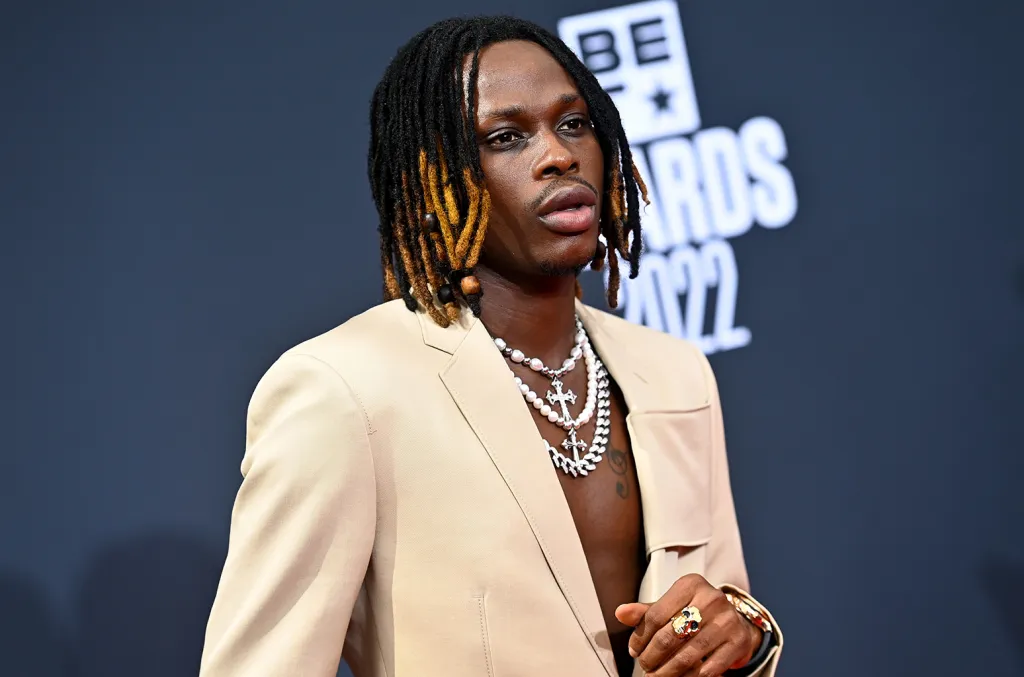
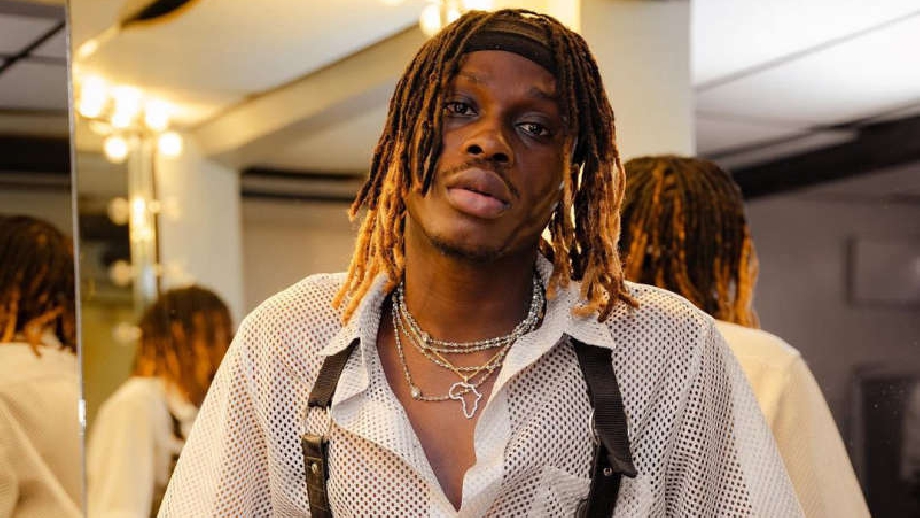
Fireboy DML, the talented Nigerian singer and songwriter whose real name is Adedamola Oyinlola Adefolahan, has captured hearts worldwide with his soulful Afrobeat tracks, smooth vocals, and heartfelt lyrics.
Songs like “Jealous,” “Peru,” and “Vibration” showcase his ability to blend emotion, rhythm, and storytelling in a way that resonates deeply with listeners.
As his fame continues to grow, many fans remain curious about his personal life, particularly his family background and the influential role his father played in shaping his path to stardom.
While Fireboy keeps much of his private life out of the spotlight, he has shared meaningful insights in interviews about how his parents, especially his father, influenced his decisions during his early years in music. This support, mixed with realistic expectations, helped build the resilience that defines his career today.
Early Life and Family Roots
Fireboy DML was born on February 5, 1996, in Abeokuta, Ogun State, Nigeria. Growing up in a close-knit Yoruba family, he was the firstborn of three boys. His household emphasized responsibility, education, and strong values from an early age.
As the eldest son, Fireboy felt a natural sense of duty toward his younger brothers and parents, which shaped his disciplined approach to life and creativity.
His home environment sparked his initial love for music. His father often played international artists like Celine Dion, introducing him to powerful ballads and emotional depth in singing. Meanwhile, his mother brought in local gospel and Afro sounds through favorites like Yinka Ayefede and Tope Alabi.
These diverse influences created a rich musical foundation, blending global pop with Nigerian gospel and traditional vibes. Fireboy spent much of his childhood indoors, reading books and writing, which later fueled his poetic lyricism.
Abeokuta provided a grounded upbringing away from the fast pace of Lagos. He attended local primary and secondary schools before heading to Obafemi Awolowo University in Osun State to study English.
During university, he joined the church choir and began experimenting with songwriting and performances, turning music from a hobby into something more serious.
The Turning Point: Family Reactions to His Music Dreams
When Fireboy decided to pursue music professionally, it sparked honest conversations at home. His parents, like many Nigerian families, prioritized stable careers such as teaching, law, or engineering over the uncertainties of the entertainment industry. His father, in particular, expressed strong concerns about the risks involved.
Fireboy has spoken openly about this dynamic. His father worried about financial instability and long-term security, a common perspective among parents wanting the best for their children. Rather than outright forbidding the pursuit, his father set clear boundaries.
He proposed a practical agreement: Fireboy could move to Lagos and chase his music dreams, but if he did not see meaningful success within two years, he would return home and explore other paths, perhaps completing his degree or finding a conventional job.
This conditional support showed tough love. It pushed Fireboy to work harder, knowing time was limited and failure had real consequences.
The agreement motivated him to refine his craft, network relentlessly, and deliver quality music. It also highlighted his father’s belief in giving opportunities while protecting his son’s future.
In recent years, Fireboy has reflected on these moments with gratitude. He understands the initial skepticism stemmed from care, not doubt in his talent. As his career flourished, family pride grew.
Recent highlights include family celebrations after his sold-out concert at the prestigious Royal Albert Hall in London in 2025, where his father joined in the joy, marking a full-circle moment from early hesitation to shared pride.
Fireboy also shared in a 2025 interview how personal choices, like getting tattoos, once strained their relationship, with his father feeling disappointed. Yet, time and success have healed those tensions, strengthening their bond.
Career Breakthrough and Rise to Global Fame
Fireboy’s move to Lagos proved transformative. He connected with the music scene, wrote songs for others, and honed his unique style blending Afrobeat, R&B, and pop. His big break arrived in 2018 when Olamide signed him to YBNL Nation.
His debut single “Jealous,” released in 2019, exploded across Nigeria and beyond, capturing the pain and vulnerability of love with relatable lyrics and catchy melodies. The track’s success led to his debut album, Laughter, Tears & Goosebumps (2019), which earned critical acclaim and multiple awards.
Follow-up projects solidified his status. Apollo (2020) explored deeper themes, while Playboy (2022) showed maturity and versatility. His 2024 album Adedamola, named after his real first name, felt personal and introspective, reflecting growth from his roots.
By 2026, Fireboy continues dominating charts. He amassed over 100 million Spotify streams early in the year without new releases, proving lasting appeal. Collaborations like “Peru” with Ed Sheeran brought international exposure, and sold-out global shows highlight his crossover success.
The Lasting Influence of His Father
Fireboy’s father remains a key figure in his story. The early agreement instilled discipline and urgency. Without that structure, Fireboy might not have pushed as hard during uncertain times. He often credits family support as a driving force behind his work ethic.
In interviews, Fireboy describes his father as principled and protective. The shift from skepticism to pride mirrors many Nigerian success stories where parental caution evolves into celebration once results appear. Family moments, like gathering after major achievements, underscore how far they have come.
Fireboy’s journey reminds aspiring artists that family dynamics can fuel determination. Parental concerns often stem from love, and open communication can turn doubt into backing.
Personal Growth and Values
Beyond music, Fireboy values authenticity and humility. His lyrics draw from real experiences, making fans feel seen. He balances fame with reflection, crediting reading and introspection for his depth.
He has spoken about tough early days in Lagos, including menial jobs to survive before YBNL. These struggles built character and appreciation for success.
His bond with family keeps him grounded. As the eldest, he takes pride in providing and inspiring his brothers. Public glimpses of family support show a tight unit celebrating wins together.
Why Fireboy DML Stands Out in Afrobeats
Fireboy’s music stands out for emotional honesty. In a genre full of energy, he offers vulnerability, blending Afro-life sounds with universal themes of love, heartbreak, and self-discovery. His smooth delivery and poetic words connect across cultures.
As Afrobeats expands globally, Fireboy represents the next wave: thoughtful, versatile, and rooted in Nigerian heritage. His evolution from university student to international star inspires many.
His father’s early guidance played a quiet but powerful role in this rise. By setting boundaries while allowing pursuit, he helped shape a focused, resilient artist.
Fireboy DML’s story celebrates talent, perseverance, and family influence. From Abeokuta roots to global stages, his path shows dreams can thrive with support, even when it starts cautious. As he continues creating, fans watch eagerly for what’s next from this gifted storyteller.


Fireboy DML: Who is Fireboy DML’s Father?
Fireboy DML, the talented Nigerian singer and songwriter whose real name is Adedamola Oyinlola Adefolahan, has captured hearts worldwide with his soulful Afrobeat tracks, smooth vocals, and heartfelt lyrics.
Songs like “Jealous,” “Peru,” and “Vibration” showcase his ability to blend emotion, rhythm, and storytelling in a way that resonates deeply with listeners.
As his fame continues to grow, many fans remain curious about his personal life, particularly his family background and the influential role his father played in shaping his path to stardom.
While Fireboy keeps much of his private life out of the spotlight, he has shared meaningful insights in interviews about how his parents, especially his father, influenced his decisions during his early years in music. This support, mixed with realistic expectations, helped build the resilience that defines his career today.
Early Life and Family Roots
Fireboy DML was born on February 5, 1996, in Abeokuta, Ogun State, Nigeria. Growing up in a close-knit Yoruba family, he was the firstborn of three boys. His household emphasized responsibility, education, and strong values from an early age.
As the eldest son, Fireboy felt a natural sense of duty toward his younger brothers and parents, which shaped his disciplined approach to life and creativity.
His home environment sparked his initial love for music. His father often played international artists like Celine Dion, introducing him to powerful ballads and emotional depth in singing. Meanwhile, his mother brought in local gospel and Afro sounds through favorites like Yinka Ayefede and Tope Alabi.
These diverse influences created a rich musical foundation, blending global pop with Nigerian gospel and traditional vibes. Fireboy spent much of his childhood indoors, reading books and writing, which later fueled his poetic lyricism.
Abeokuta provided a grounded upbringing away from the fast pace of Lagos. He attended local primary and secondary schools before heading to Obafemi Awolowo University in Osun State to study English.
During university, he joined the church choir and began experimenting with songwriting and performances, turning music from a hobby into something more serious.
The Turning Point: Family Reactions to His Music Dreams
When Fireboy decided to pursue music professionally, it sparked honest conversations at home. His parents, like many Nigerian families, prioritized stable careers such as teaching, law, or engineering over the uncertainties of the entertainment industry. His father, in particular, expressed strong concerns about the risks involved.
Fireboy has spoken openly about this dynamic. His father worried about financial instability and long-term security, a common perspective among parents wanting the best for their children. Rather than outright forbidding the pursuit, his father set clear boundaries.
He proposed a practical agreement: Fireboy could move to Lagos and chase his music dreams, but if he did not see meaningful success within two years, he would return home and explore other paths, perhaps completing his degree or finding a conventional job.
This conditional support showed tough love. It pushed Fireboy to work harder, knowing time was limited and failure had real consequences.
The agreement motivated him to refine his craft, network relentlessly, and deliver quality music. It also highlighted his father’s belief in giving opportunities while protecting his son’s future.
In recent years, Fireboy has reflected on these moments with gratitude. He understands the initial skepticism stemmed from care, not doubt in his talent. As his career flourished, family pride grew.
Recent highlights include family celebrations after his sold-out concert at the prestigious Royal Albert Hall in London in 2025, where his father joined in the joy, marking a full-circle moment from early hesitation to shared pride.
Fireboy also shared in a 2025 interview how personal choices, like getting tattoos, once strained their relationship, with his father feeling disappointed. Yet, time and success have healed those tensions, strengthening their bond.
Career Breakthrough and Rise to Global Fame
Fireboy’s move to Lagos proved transformative. He connected with the music scene, wrote songs for others, and honed his unique style blending Afrobeat, R&B, and pop. His big break arrived in 2018 when Olamide signed him to YBNL Nation.
His debut single “Jealous,” released in 2019, exploded across Nigeria and beyond, capturing the pain and vulnerability of love with relatable lyrics and catchy melodies. The track’s success led to his debut album, Laughter, Tears & Goosebumps (2019), which earned critical acclaim and multiple awards.
Follow-up projects solidified his status. Apollo (2020) explored deeper themes, while Playboy (2022) showed maturity and versatility. His 2024 album Adedamola, named after his real first name, felt personal and introspective, reflecting growth from his roots.
By 2026, Fireboy continues dominating charts. He amassed over 100 million Spotify streams early in the year without new releases, proving lasting appeal. Collaborations like “Peru” with Ed Sheeran brought international exposure, and sold-out global shows highlight his crossover success.
The Lasting Influence of His Father
Fireboy’s father remains a key figure in his story. The early agreement instilled discipline and urgency. Without that structure, Fireboy might not have pushed as hard during uncertain times. He often credits family support as a driving force behind his work ethic.
In interviews, Fireboy describes his father as principled and protective. The shift from skepticism to pride mirrors many Nigerian success stories where parental caution evolves into celebration once results appear. Family moments, like gathering after major achievements, underscore how far they have come.
Fireboy’s journey reminds aspiring artists that family dynamics can fuel determination. Parental concerns often stem from love, and open communication can turn doubt into backing.
Personal Growth and Values
Beyond music, Fireboy values authenticity and humility. His lyrics draw from real experiences, making fans feel seen. He balances fame with reflection, crediting reading and introspection for his depth.
He has spoken about tough early days in Lagos, including menial jobs to survive before YBNL. These struggles built character and appreciation for success.
His bond with family keeps him grounded. As the eldest, he takes pride in providing and inspiring his brothers. Public glimpses of family support show a tight unit celebrating wins together.
Why Fireboy DML Stands Out in Afrobeats
Fireboy’s music stands out for emotional honesty. In a genre full of energy, he offers vulnerability, blending Afro-life sounds with universal themes of love, heartbreak, and self-discovery. His smooth delivery and poetic words connect across cultures.
As Afrobeats expands globally, Fireboy represents the next wave: thoughtful, versatile, and rooted in Nigerian heritage. His evolution from university student to international star inspires many.
His father’s early guidance played a quiet but powerful role in this rise. By setting boundaries while allowing pursuit, he helped shape a focused, resilient artist.
Fireboy DML’s story celebrates talent, perseverance, and family influence. From Abeokuta roots to global stages, his path shows dreams can thrive with support, even when it starts cautious. As he continues creating, fans watch eagerly for what’s next from this gifted storyteller.
Related Posts
Is Olamide Christian or Muslim?
What Religion Is Burna Boy?
Is It True That Ifeanyi Davido’s Son Is Dead?
Fireboy DML: How old is Fireboy Dml?
Fireboy DML: Is Fireboy Dml in a Relationship?
About the Author
Aremu
No bio available.
Comments